

Faith That Meets Real Life
About Joel Morgan
A storyteller shaped by Ghana, San Francisco, and years inside real human pain
Joel Morgan is a Christian author, musician, and healthcare provider whose life has unfolded between two worlds — the spiritual language of church, and the emotional reality of human suffering.
He grew up in Ghana as a preacher’s kid in a family of eight, surrounded by faith, worship, and the rhythms of church life. Later, he moved to San Francisco, where he has spent more than two decades working in healthcare, sitting with patients and families in moments of fear, grief, and quiet breaking.
Over time, Joel began to notice something.
In hospitals, pain is expected.
In churches, pain is often hidden.
As a musician, he learned how people sing what they cannot say.
As a healthcare provider, he learned how people suffer what they cannot explain.
And as a follower of Jesus, he discovered that real healing rarely looks dramatic — it looks like honesty, presence, and being willing to sit with what hurts.
His writing reflects that journey.
Not from theory, but from lived experience — from hospital halls, waiting rooms, worship stages, and long conversations with people trying to hold faith and pain in the same hands.
At the center of Joel’s work is a simple belief:
the Church was never meant to be a place for perfect people, but a spiritual hospital for real ones.

Quick snapshot
Preacher’s kid from Ghana, raised in a family of eight
20+ years in hospital healthcare in San Francisco
Christian author focused on emotional and spiritual healing
Worship musician: drums, bass, and vocals
Advocate for the Church as a place of grace, honesty, and restoration
Where Life and Faith Collide
Rooted in Ghana,
Called Across Cultures
Joel’s story begins in Ghana, where he spent the first nine years of his life as a preacher’s kid in a home filled with eight children, constant movement, and constant faith. Church wasn’t something the family attended — it was the environment he grew up inside. Prayer, scripture, singing, and serving weren’t special activities; they were daily life.
But growing up in a pastor’s home also meant seeing what most people never see.
Not just faith at its best but faith under pressure.

Joel watched his parents walk with people through grief, doubt, disappointment, and quiet personal collapse. He saw the beauty of church community, and the hidden pain that often lived inside it. That tension planted a conviction that never left him: the Church was never meant to be a museum for the flawless, but a refuge for people who are tired of holding it together.
When his family later moved from West Africa to the United States, and eventually to San Francisco, that early formation deepened into something else — perspective.
Living between cultures taught Joel how to listen before speaking, how to hold different stories at once, and how to recognize God’s presence outside familiar language and traditions. He learned that people across the world carry the same questions, the same wounds, and the same quiet longing for something real.
Those experiences now shape his writing — not as theory, but as lived reality — speaking to people who feel caught between who they’ve been, who they’re expected to be, and who God might actually be calling them to become.
Where Care Meets Presence
Twenty Years in the Hospital Hallways
For more than 20 years, Joel has worked inside a San Francisco hospital, walking with people through moments most of us only imagine — bad news, long recoveries, quiet fear, unexpected hope.
The hospital didn’t just become his workplace.
It became his classroom.
A place where he learned what faith looks like when answers are unclear.
What hope sounds like when voices are tired.
And how the smallest gestures — a hand held, a chair pulled close, a few honest words — can become sacred moments.
Working in healthcare gave Joel a front-row seat to the human condition.
He has stood with patients and families through diagnosis, loss, waiting, recovery, and sometimes, miracle.
In the stillness of hospital rooms and the chaos of busy shifts, he began to see a pattern:
Physical wounds and spiritual wounds often travel together.
And real healing rarely happens in one dramatic moment.
It happens slowly. Quietly. Layer by layer.
That’s why, when Joel describes the Church as a spiritual hospital, it’s not poetic language — it’s professional instinct.
He has seen what real care requires:
paying attention, staying present, listening without fixing, and refusing to walk away when healing takes longer than expected.
He believes the Church is called to that same posture —
not rushing people, not labeling them, not preaching them out of pain, but noticing wounds, tending gently, and staying long enough for trust to form.
What this has shaped in his work
Sees physical and spiritual healing as deeply connected
Understands the weight of waiting, uncertainty, and unanswered prayers
Knows healing is often slow, layered, and invisible at first
Believes God meets people in hospital rooms, church pews, and ordinary days
Writes with compassion for those who feel overlooked, tired, or quietly worn down
“The same God who cares about your blood pressure and broken bones also cares about the silent places in your heart. In my writing, I want people to feel seen in both.”
Creating Space Through Story
A Life in Rhythm:
Drums, Bass, and Vocals

Before Joel ever wrote a book, he learned how to listen.
As a drummer, bass player, and vocalist, he spent years in worship settings where music wasn’t about performance — it was about creating space for people to breathe, to grieve, to pray, and to let their guard down.
Drums taught him how to keep time for others.
Bass taught him how to carry the weight without needing attention.
Vocals taught him how to be honest with God out loud.
Over time, those lessons shaped more than his music.
They shaped how he sees people.
Joel learned that the most important role is often the quiet one.
That healing rarely needs spotlight.
And that presence matters more than perfection.
That same rhythm shows up in his writing. He writes the way he plays — listening first, speaking carefully, leaving room for silence, and trusting that the Holy Spirit often works through ordinary moments.
For Joel, words are simply another instrument.
Not to impress, but to serve.
Not to perform, but to create space for something real to happen.
Healing Before Perfection
The Church as a Spiritual Hospital
Joel’s writing begins with a simple but uncomfortable belief:
most Christians don’t struggle because they lack faith —
they struggle because they’ve never been taught how to heal.
His work speaks to the deep, quiet voids many people carry — loneliness that doesn’t go away, shame that never gets named, disappointment that slowly hardens into numbness, and the subtle ache of feeling unseen even in church.
Drawing from his upbringing in Ghana, decades in healthcare, and years of life inside church communities, Joel centers one core message: the Church was never meant to be a place for spiritual performance, but a spiritual hospital — a place where wounds are allowed to exist before they are expected to disappear.
He writes for people who love Jesus but feel worn down by church culture. For those who don’t fit the “perfect Christian” image. For anyone who has tried to manage inner emptiness with busyness, service, achievement, or quiet resignation.
Through Scripture, story, and honest reflection, Joel doesn’t offer spiritual shortcuts. He invites readers back to something slower and more honest — learning how to bring their real selves into God’s presence, instead of constantly trying to impress Him.
His perspective isn’t theoretical. It’s shaped by late-night hospital shifts, childhood altar calls, conversations with patients and pastors, and long stretches of quiet prayer in ordinary life.
That’s why his words carry both conviction and gentleness.
He’s not writing about healing from a distance —
he’s writing as someone who has needed it himself.
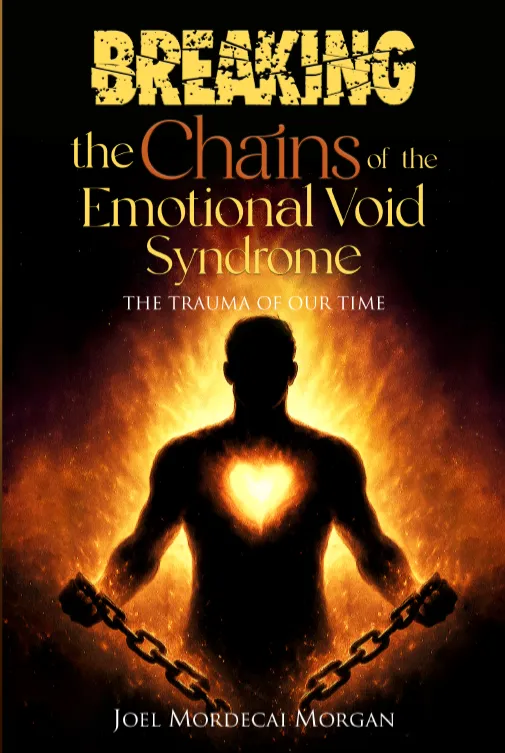
Who Joel writes for
People who love God but carry wounds they never talk about
Those who feel something is missing, but can’t put a name to it
Christians who look strong on the outside and feel tired on the inside
Leaders and servants who care for everyone else — but neglect themselves
Anyone who longs for a faith that feels honest, not performative
Show Up as You Are
An Invitation to
Those Still Healing
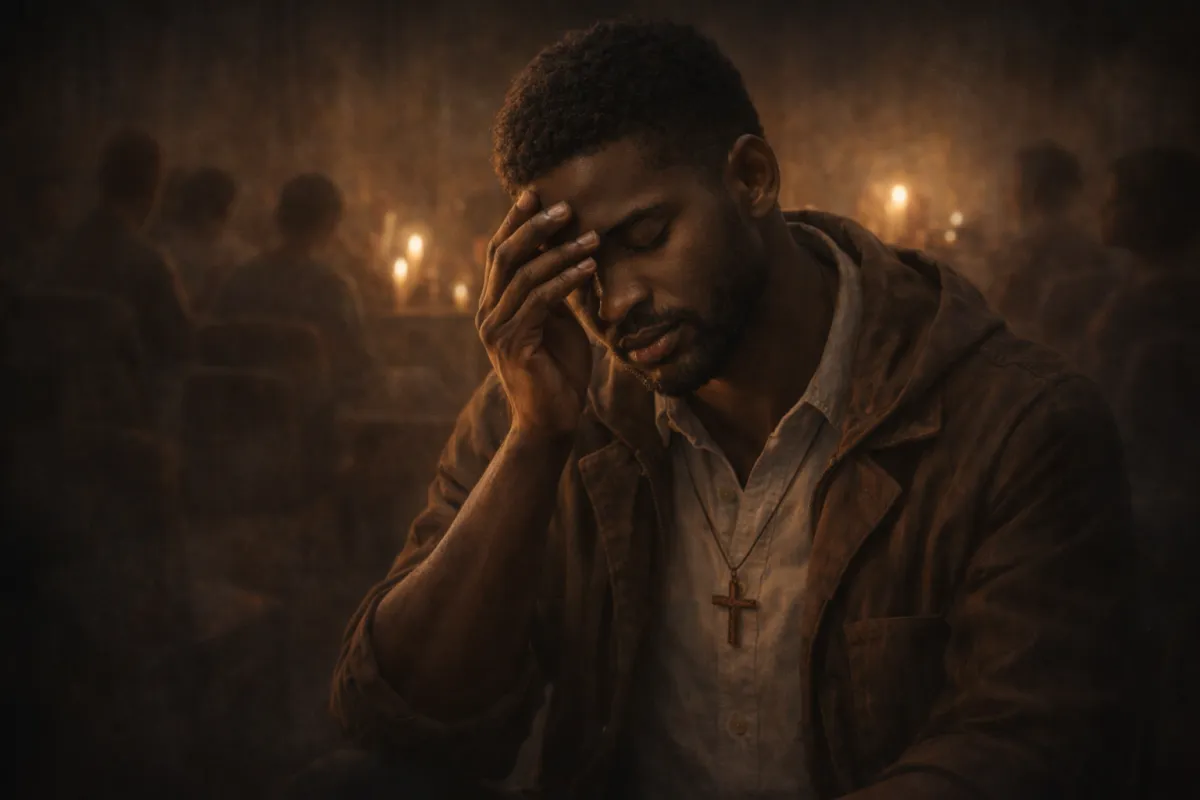
Joel doesn’t write like someone
who’s made it to the other side
He writes more like someone who’s still somewhere in the middle.
Some days faith feels steady.
Other days it feels thin. Or quiet. Or hard to explain.
So this isn’t really an invitation to grow.
It’s more like permission to stop performing.
If you’ve been holding yourself together for a long time,
if you’re tired in a way that coffee, worship music, and good intentions don’t fix,
there’s nothing wrong with you.
You don’t need to arrive with clarity.
You don’t need the right words.
Honestly, you don’t even need to know what’s wrong yet.
Just show up as you are.
Confused. Flat. Or simply worn down.
That’s enough to start.
Christian author, musician, and healthcare provider helping the Church become a truer spiritual hospital for wounded hearts.
Email: [email protected]
Phone: (209) 600-7197t
© 2026 MyPenHub LLC. All rights reserved. Designed by thejaeefunnels